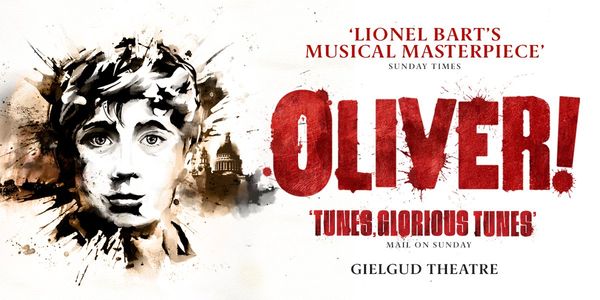
The Gielgud Theatre, originally the Hicks Theatre (1906) and later the Globe, was renamed in 1994 to honour Sir John Gielgud. Designed by W.G.R. Sprague, this Edwardian gem boasts an intimate atmosphere and ornate interior, typical of its era. Its prime location on Shaftesbury Avenue makes it a significant fixture in London's West End, offering a classic theatrical experience.
Share this theatre
Seating
- StallsExcellent central views, but front rows crane necks; shallow rake can be an issue.
- Dress CircleThe prime spot: superb panoramic views from central rows, excellent rake.
- Upper CircleSteep rake ensures clear views, but expect restricted legroom and distance.
- BalconyBudget-friendly, but expect distance, tight legroom, and a steep climb.
Stalls
On the ground floor, the Stalls offer a close-up perspective of the stage. Be aware the stage is quite high; rows A-C will have you looking up significantly, potentially causing neck strain and a slightly restricted view of the very front of the stage floor.
Central rows D-M, however, generally provide excellent, immersive views. The rake is relatively shallow, which means views can be partially obstructed by taller people in front, particularly in the front half of the section.
Legroom is standard for a historic West End theatre, which can be tight for taller individuals, especially in non-aisle seats. The Dress Circle overhang begins around Row N, subtly affecting the view of the very top of the stage for the last few rows N-P, though this is usually minor for most productions.
Side blocks offer good views but are angled towards the stage.
Dress Circle
Widely considered to offer some of the best overall views in the theatre, the Dress Circle is located on the first floor. Its central rows A-G provide superb, unobstructed sightlines with an excellent panoramic view of the stage.
The good rake ensures clear views over the heads of those in front. Legroom is generally comparable to the Stalls, with some rows offering slightly more space.
The Upper Circle overhang begins around Row H, potentially cutting off the very top of the stage for the last few rows H-K, though this effect is usually minimal. Side seats offer good angled views, with minimal restriction unless very far to the side.
Upper Circle
From the second floor, the Upper Circle offers a higher and more distant perspective. Its notably steeper rake than the Dress Circle generally provides good sightlines over the heads of people in front.
Central rows A-G offer clear and comprehensive views, though the stage will appear smaller. Legroom can be more restricted in this section, particularly in the front rows, which can be uncomfortable for taller individuals.
The Balcony overhang (or the theatre ceiling) begins around Row H, potentially obscuring the very top of the stage for the last few rows H-K. Side seats can experience more significant restrictions due to the angle and the presence of safety rails, particularly in the very front side rows.
Balcony
The Balcony, on the third and highest floor, offers the most distant views of the stage. You'll find a very steep rake here, which helps to ensure clear sightlines over heads, but can feel quite high and vertiginous for some.
Views from the central rows A-D are generally clear but distant. Legroom is significantly more restricted in the Balcony compared to other levels, making it less comfortable for taller people.
The safety rail at the front of the Balcony (Row A) can cause a minor visual obstruction for shorter individuals. Side seats often have the most restricted views due to severe angling, safety rails, and distance, and are typically the most budget-friendly options.
See the view from your seat
SeatPlan has photographs taken from individual seats at the Gielgud Theatre, alongside a full seating plan and reviews from people who sat there. Worth a look before you commit to a restricted-view seat.
View seat photos and planAffiliate link — we may earn a commission, at no cost to you.
Staying nearby
The nearest hotels to the Gielgud Theatre, for anyone travelling in for a show rather than heading home after it.
- Ham Yard Hotelabout 5 min walk
- The Soho Hotelabout 5 min walk
- Zedwell Piccadilly Circusabout 5 min walk
Hotels.com affiliate links — we may earn a commission, at no cost to you. Prices and availability are shown on their site.
Facilities
Toilets
An adapted toilet is available in the foyer near the bar. Toilets are available on all auditorium levels.
Box office
The Box Office opens 2.5 hours before the show and remains open until 15 minutes after curtain up. It remains open between performances on matinee days.
Available for coats and small bags.
Stage door
Shaftesbury Avenue, at the corner of Rupert Street.
Location
Gielgud Theatre, Shaftesbury Avenue, London W1D 6AR
Getting there
nearest first
- 3 min
Piccadilly Circus
BakerlooPiccadilly - 5 min
Leicester Square
NorthernPiccadilly - 10 min
Charing Cross
BakerlooNorthernNational Rail
Numerous bus routes serve Shaftesbury Avenue, Regent Street, and Piccadilly Circus.
Step-by-step walking directions
The Gielgud Theatre is located on Shaftesbury Avenue. The nearest London Underground stations are Piccadilly Circus (Bakerloo and Piccadilly lines), approximately a 3-minute walk, and Leicester Square (Northern and Piccadilly lines), approximately a 5-minute walk. Charing Cross (Bakerloo, Northern lines, and National Rail services) is also within a 10-minute walk. Numerous bus routes serve Shaftesbury Avenue, Regent Street, and Piccadilly Circus.